
Tilt & Slide uPVC Windows Melbourne
The tilt and slide window is the European answer to the traditional sliding window. It slides horizontally like a conventional slider, but lifts slightly off its track before sliding — engaging a full perimeter compression seal when closed that a conventional sliding window cannot achieve. It also tilts the top inward for secure background ventilation without needing to slide the panel at all. For locations where a tilt and turn swing clearance is not available, tilt and slide delivers comparable European performance in a space-efficient format.
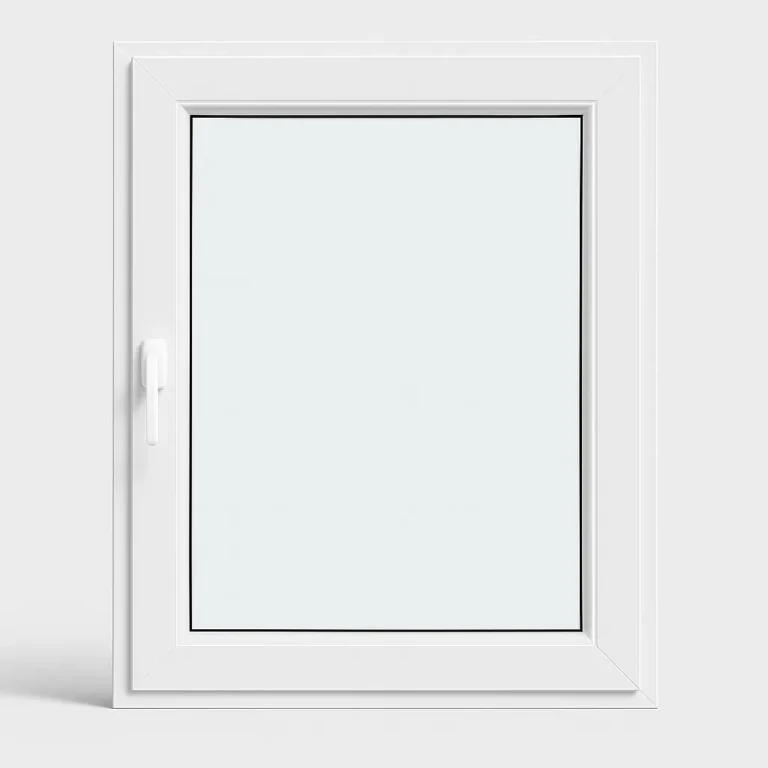
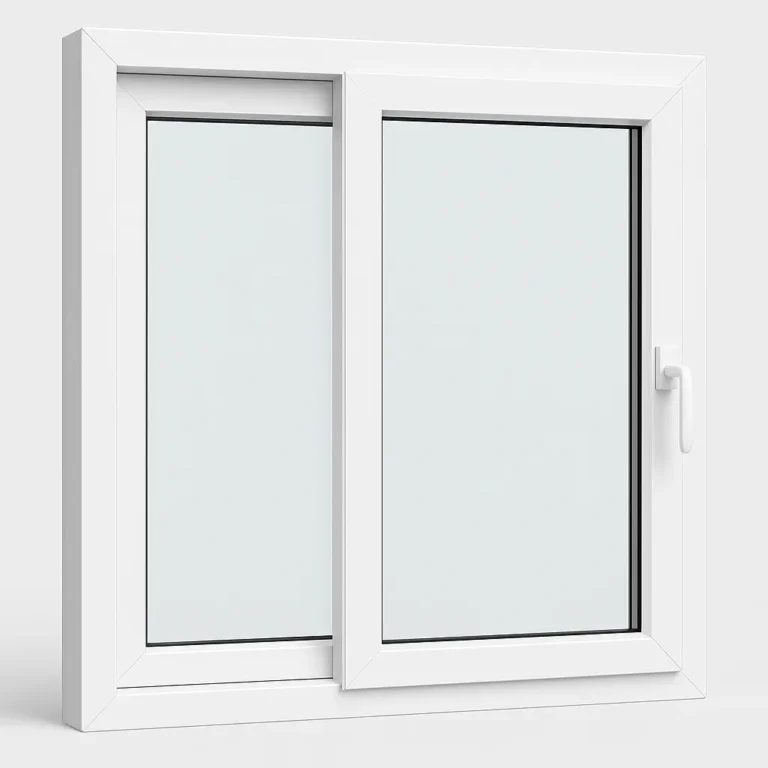
Tilt & Slide uPVC Windows — Features & Benefits
Sash lifts onto full perimeter gaskets when closed — far superior weatherproofing to conventional brush-seal sliders.
Panel slides horizontally for full-width ventilation with no swing clearance required inside or outside.
Top of sash tilts inward for secure background ventilation without needing to open the full panel.
Argon-filled double glazed units with Low-E coating as standard. Triple glazed available.
No inward or outward swing required — ideal where furniture or external features limit clearance.
Manufactured to your exact dimensions at our Carrum Downs Melbourne factory.
Sliding With European Sealing
Conventional Australian sliding windows rely on brush seals that compress against the frame as the window slides. These provide adequate but not exceptional weather resistance. Tilt and slide windows use a different mechanism: when the handle is turned to close, the sash lifts slightly on its track and compresses against full-perimeter rubber gaskets on all four sides simultaneously. The result is a sliding window with compression sealing comparable to a fixed or tilt and turn window — dramatically better acoustic and thermal performance than a conventional slider.
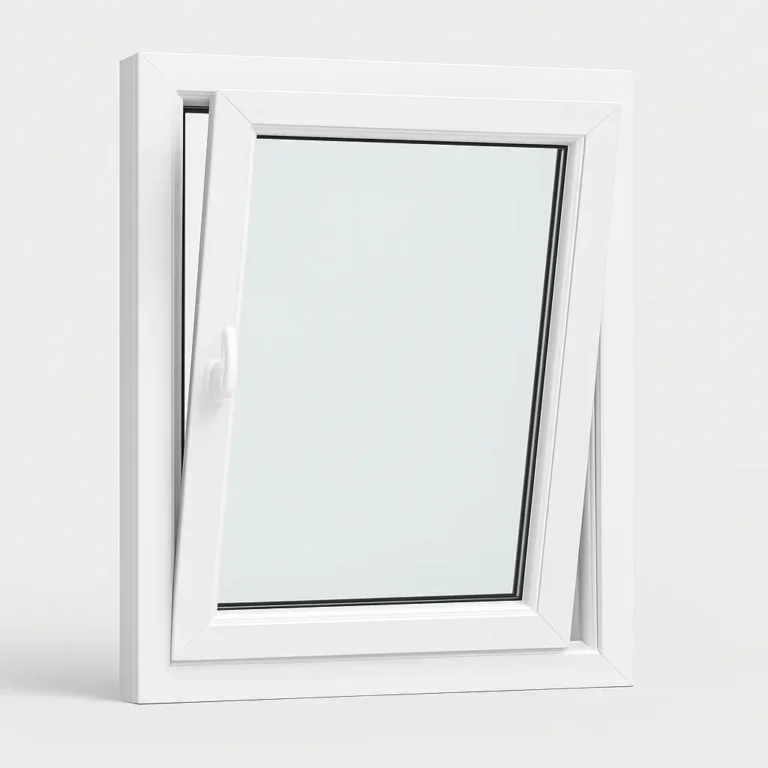
Tilt Mode for Background Ventilation
When ventilation is needed without fully opening the panel, the tilt and slide offers a tilt mode. Turning the handle to the tilt position tilts the top of the sash inward by approximately 10cm, creating a secure ventilation gap at the top of the window. This is ideal for overnight ventilation or leaving windows open while away from home, as the gap cannot be exploited for entry. The tilt mode engages independent of the slide mechanism.
Tilt & Slide uPVC Windows — FAQ
What is the difference between tilt and slide and tilt and turn? +
Is tilt and slide better than a standard sliding window? +
Can I retrofit tilt and slide windows into existing sliding window openings? +
All uPVC Window Types
Dual-mode: opens inward or tilts. Most versatile.
→ Tilt & SlideSlides horizontally then tilts. No swing clearance.
→ Tilt OnlyFixed tilt angle. Child safety, bathrooms, high-level.
→ AwningTop-hinged, crank-operated. Ventilates in rain.
→ Pushout AwningNo crank handle. Heritage-appropriate appearance.
→ SlidingHorizontal. No swing clearance. Contemporary style.
→ StackerMultiple panels stack. Maximum opening width.
→ Bi-FoldAccordion fold. Full-width opening. Kitchen servery.
→ CasementSide-hinged. Maximum ventilation. European sealing.
→ FixedNon-opening. Custom shapes. Maximum light.
→ Double HungBoth sashes move. Heritage, Federation, Edwardian.
→Upgrade to European Sliding Performance
Tilt and slide delivers the space efficiency of a sliding window with European sealing and tilt ventilation. Get a free quote or visit our Melbourne showroom.